Reported 2025 national GDP shows the UAE operating as a diversified economic platform, not a single-city property story.
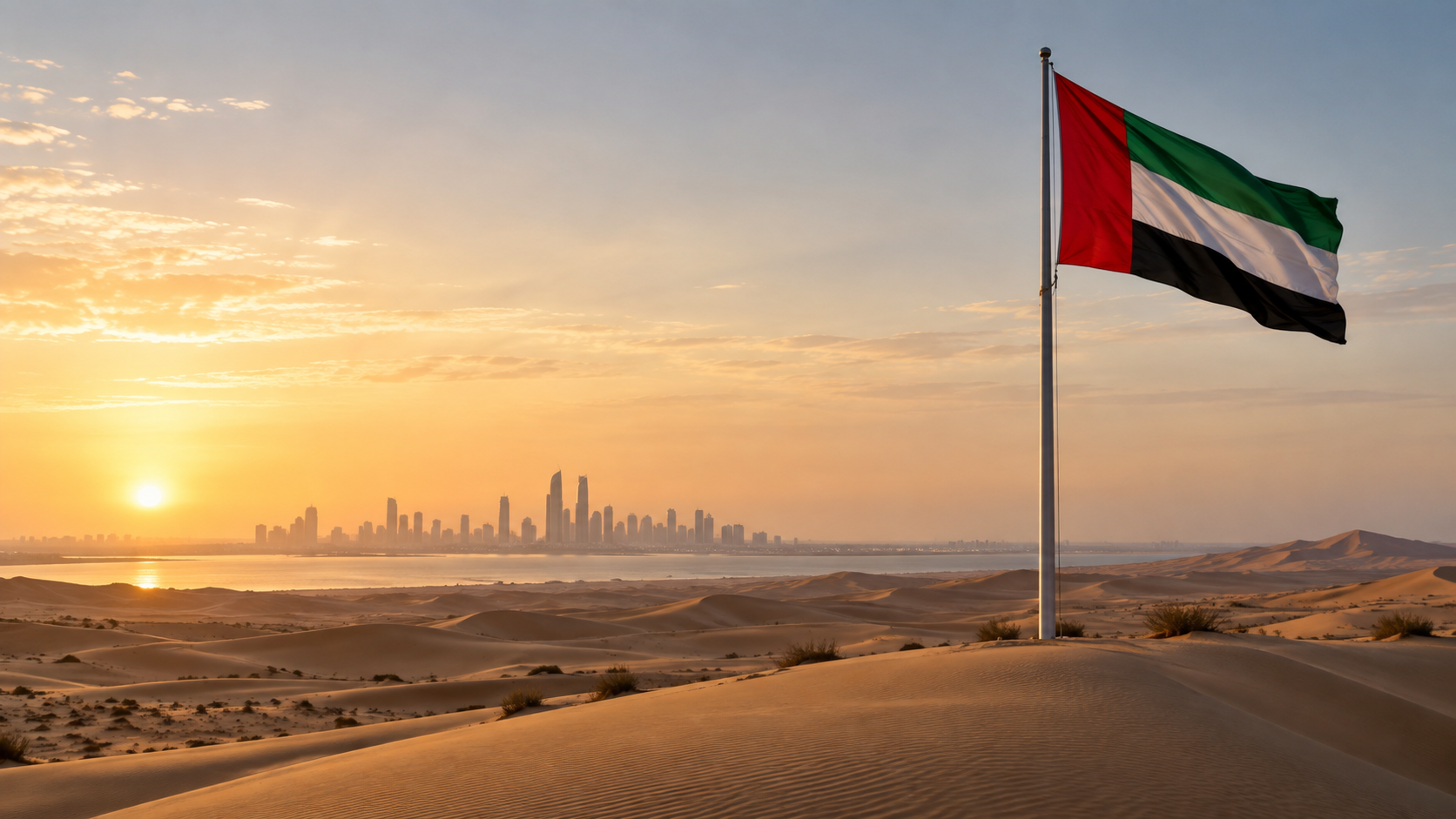
United Arab Emirates
UAE branded residences across Abu Dhabi, Dubai and Ras Al Khaimah.
The UAE story begins with union: Abu Dhabi, Dubai, Sharjah, Ajman, Umm Al Quwain and Fujairah formed the federation on 2 December 1971, with Ras Al Khaimah joining in 1972. Today that national platform gives branded residences their deeper context: governance, infrastructure, international access, hospitality depth and a long-term development culture across the Emirates.
Reviewed by Hisham El Assaad, Founder, OSUS Properties.
UAE Strength
The buyer is not only entering a property market. The buyer is entering a national platform.
The strongest branded residences in the UAE benefit from more than architecture and a hospitality name. They sit inside a federation with sovereign depth, international airports, mature tourism demand, private healthcare, global schools, cultural institutions, safety, connectivity and a construction sector capable of delivering large-scale destinations.
This national strength reinforces buyer confidence across Abu Dhabi, Dubai and Ras Al Khaimah: capital stability, global liquidity, resort-led growth, infrastructure investment and an internationally recognised standard of lifestyle all working together inside one country.
Explore CollectionNational Indicators
Economic breadth gives the branded-residence category a stronger foundation.
The 2025 view should be read as a forward national signal, not a historical snapshot. UAE GDP was reported around AED 1.9 trillion in 2025, with non-oil GDP around AED 1.5 trillion and growth forecasts pointing to continued expansion. Tourism, population growth, construction depth, healthcare and education infrastructure all support the long-term credibility of branded living.
Non-oil activity remained the dominant growth engine, led by trade, finance, tourism, real estate, construction and services.
Full-year hospitality demand reinforces the serviced-living logic behind branded residences across the Emirates.
End-2025 population estimates point to a deeper resident base for schools, healthcare, retail, mobility and long-stay ownership.
IMF 2025 projections indicated continued expansion, supported by non-hydrocarbon momentum and higher hydrocarbon output.
Official 2025 commentary pointed to resilient non-oil growth, including construction, real estate, hospitality and financial services.
Infrastructure Of Confidence
Tourism, education, healthcare and construction make branded living more credible.
Luxury residential demand becomes stronger when daily life is supported by the national environment around it. The UAE has spent decades turning airports, roads, ports, hospitals, universities, cultural districts, schools, beaches and hospitality districts into a connected lifestyle and investment system.
Tourism and hospitality
Dubai supplies global visibility, Abu Dhabi adds cultural tourism and institutional confidence, and Ras Al Khaimah is building a resort-led story that will be amplified by Wynn Al Marjan Island.
Explore CollectionEducation and family life
International schools, universities, family districts and long-stay residency options make the UAE more than a seasonal market. This matters for buyers considering second homes and relocation.
Explore CollectionHealthcare and wellbeing
Private hospitals, specialist clinics, wellness resorts and medical infrastructure support confidence for families, retirees, executives and international owners spending meaningful time in the country.
Explore CollectionConstruction and delivery
The UAE’s construction depth allows master communities, branded towers, resort islands and cultural districts to be delivered at a scale that few markets can match.
Explore CollectionThree-Emirate Lens
Abu Dhabi, Dubai and Ras Al Khaimah should be read together, not in isolation.
The branded-residence buyer journey should start with the strength of the UAE as a whole, then narrow into the emirate that best matches use, budget, holding period and lifestyle expectation.
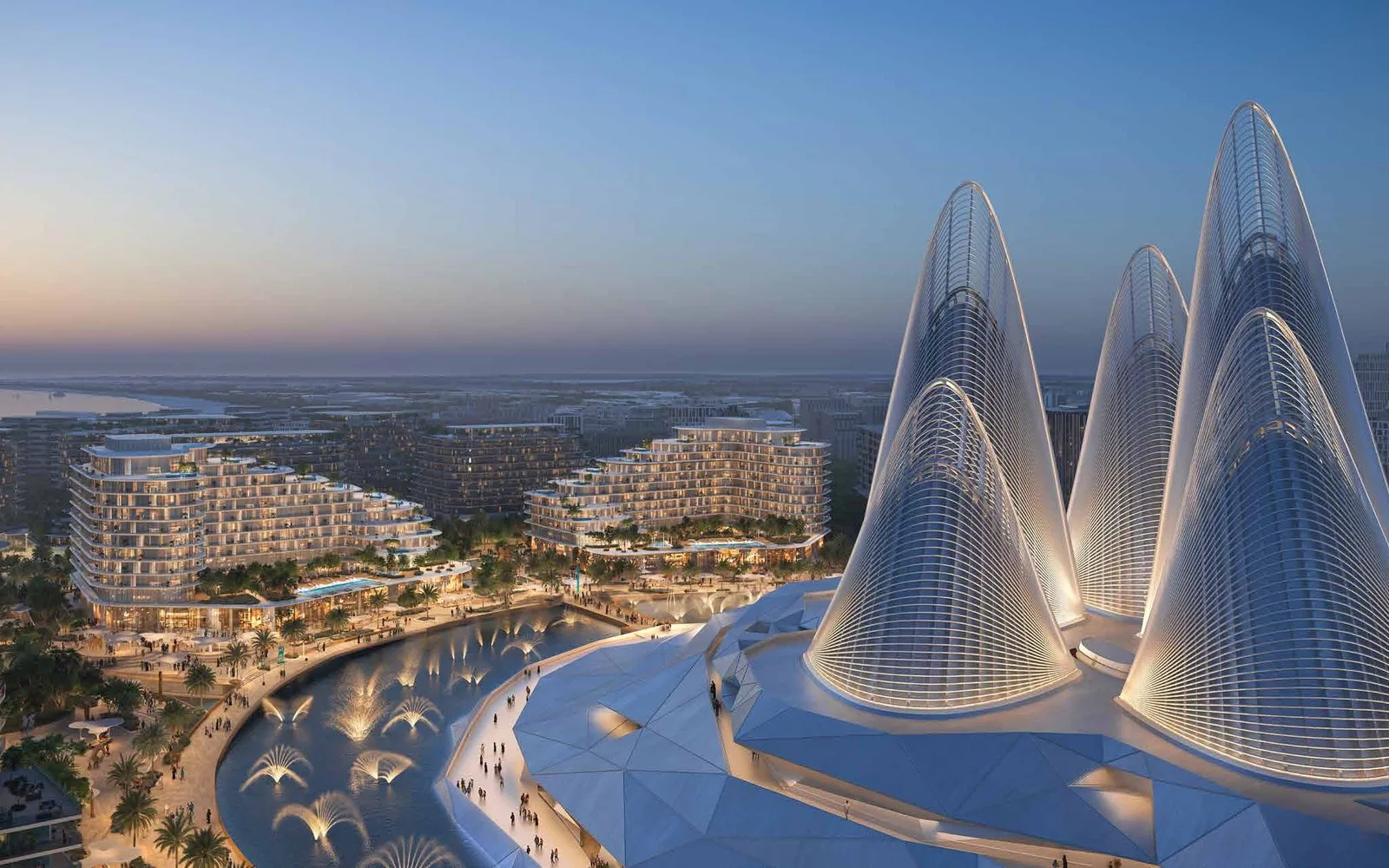
Abu Dhabi
Capital stability, culture and scarcity.
Abu Dhabi carries the capital thesis: institutional strength, cultural districts, waterfront scarcity, family lifestyle and a quieter luxury profile for long-hold buyers.
Explore Collection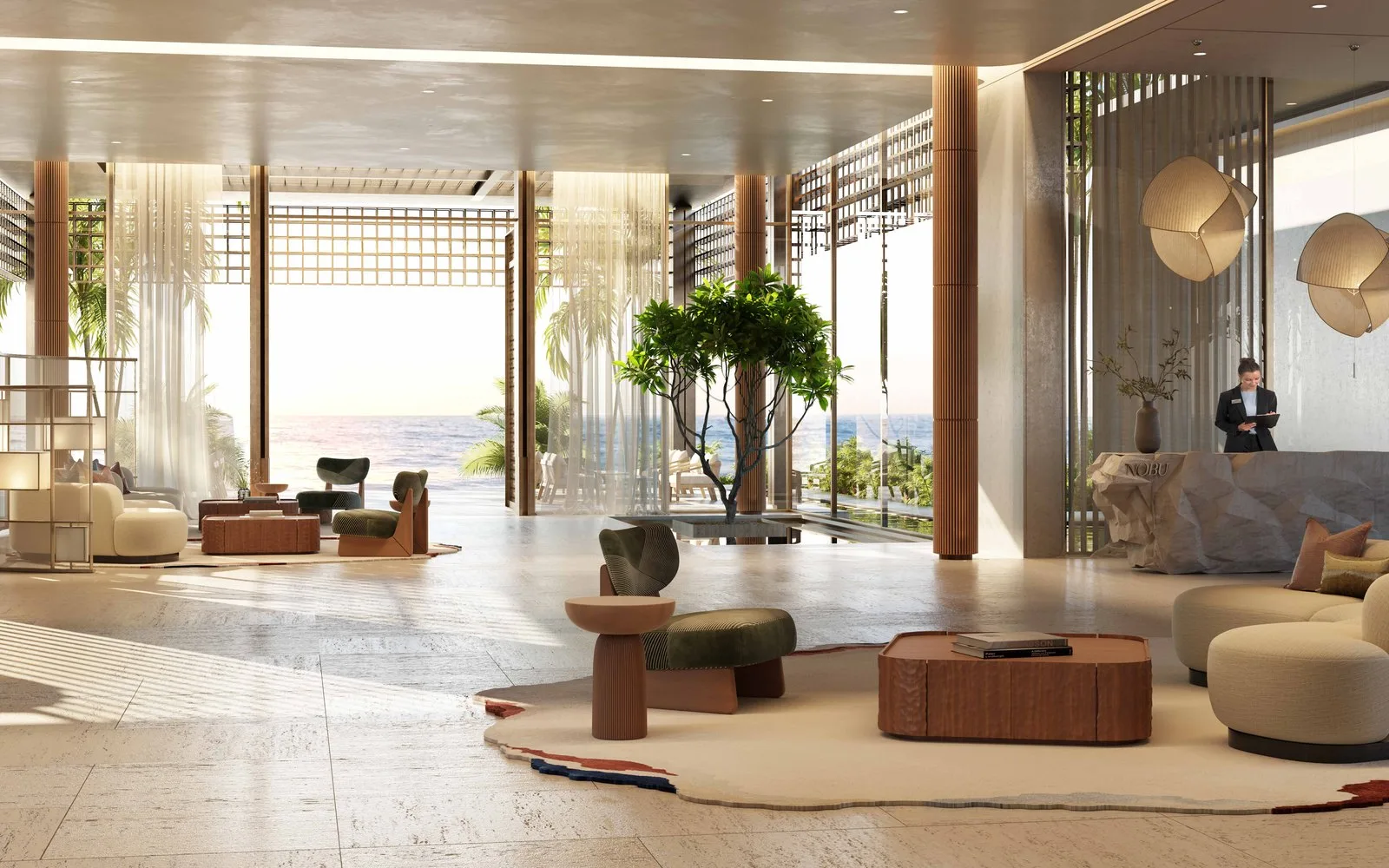
Dubai
Global benchmark and liquidity.
Dubai remains the region’s most visible branded-residence market, with deep buyer demand, established hospitality brands, global search volume and resale recognition.
Explore Collection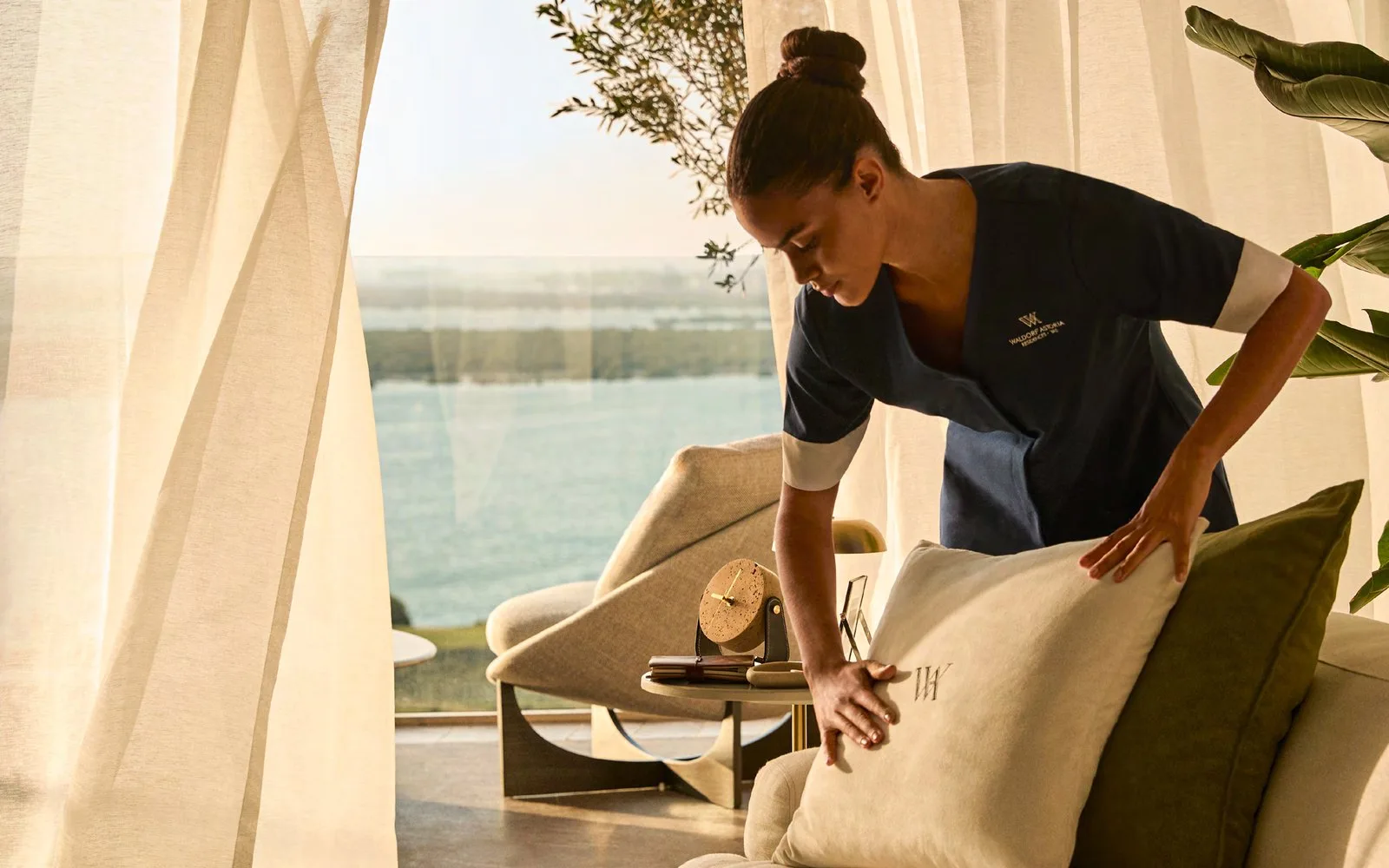
Ras Al Khaimah
Resort-led catalyst and early positioning.
RAK adds a different signal: resort living, Al Marjan Island and the forthcoming Wynn integrated resort, expected to introduce the Gulf’s first regulated casino catalyst.
Explore CollectionBuyer Framework
Use the UAE lens first, then shortlist by project quality.
The most suitable route depends on the buyer’s objective: capital preservation, lifestyle use, rental visibility, resort exposure, family relocation or long-term appreciation potential.
Explore Collection
01National confidence
Does the emirate benefit from economic depth, tourism, infrastructure and long-term planning?
02Brand substance
Does the operator improve service, amenities, management, recognition and owner experience?
03Scarcity
Is the location difficult to replicate, or is it one more residence in a crowded supply zone?
04Exit story
Will future buyers understand the address, brand, service proposition and pricing logic?
Next Step
Move from UAE confidence into a disciplined branded-residence shortlist.
The collection should become the working route for the products selected across Abu Dhabi, Dubai and Ras Al Khaimah. From there, each project can be reviewed through brand strength, service model, location, supply, pricing, payment plan and appreciation thesis.